My Stanford Summer: A Hitchhiker's Guide to the Valley
How an 8 week summer session can either turn into the most valuable learning opportunity or the most expensive vacation of your life

My Stanford Summer: A Hitchhiker’s Guide to the Valley
My interest in Stanford started 7 years ago, when I was in the Bay Area for the first time with my parents. The vibe, the people, the companies and the motivation to build new things and innovate amazed me since then.
Because of financial reasons, a “normal” bachelor at Stanford was not an option, as I did not want to go that much into student debt. I therefore pushed the thought aside and dreamt about maybe doing an MBA at some point there.
Last year, a fellow student of mine at CODE University, applied as a free mover to the summer session and loved it. Since then I was interested in doing the same. He there got to know that Stanford had a partnership program for universities, which is called IHP (International Honors Program) and he then connected the partnership team with CODE University. Long story short - we got accepted as IHP university and had the opportunity to go to Stanford with 11 students from CODE.
The benefit of the IHP is that you don’t compete with the large pool of free movers that apply at Stanford for the summer quarter, but only with your fellow students at your home university.
Stanford was an absolutely life changing experience for me. The mix was insane: from studying in the US at the university of my dreams on a beautiful campus, meeting friends from all over the world, entrepreneurs and venture capitalists, getting challenged academically, having great experiences and doing great trips
How you spend your time and how you set your goals for Stanford can determine if it will be the most expensive vacation of your life, or an enriching college experience.
In this essay, I want to share my experiences from Stanford and inspire you to also take the Stanford Summer Session.
Prepping Stanford
I started prepping for this summer 12 months in advance. You need about 6 months to do the application at your home university and Stanford, but I took the time to being more conscious about my spendings and to save money for Stanford, as well as slowly passing any responsibilities to others. As someone who loves to work on many projects at the same time, this was especially difficult, but very important looking back at the freedom it gave me to fully immerse myself into the valley and not having to think about a job or project back home.
Application & visa stuff
The application process at my university was split into a motivational letter, CV, current transcript of records and a proof of language.
Getting accepted at your home university doesn’t mean that you don’t have to apply/register at Stanford. The home university sends the list of students to the IHP team and if you are accepted, you get a confirmation mail. If you think that the work is done, you are very wrong - now the fun begins :)
The most annoying part of the whole trip was by far filling out all the admin stuff at Stanford’s side and applying for visa. Filling out the visa was like a 50 step process with 3 different forms, where you have to pay separately, go on sketchy government websites and at the end have to go to the embassy. I was very nervous going there, because of the political situation and instability regarding visa applications, but I had no issues. When the officer heard that I was going to Stanford, the conversation was done after 2 minutes and he just wished me a great time in the US.
There are a few guides from Stanford that help you fill out the visa and all the other things. Just do it on time and don’t procrastinate the forms, as they have tight deadlines.
The nicest part of the process (except going to Stanford of course) having small highlights, like getting your Stanford mail and student ID and then having all the opportunities which come with it.
Health Insurance
As international students, we had the opportunity to waive the normally mandatory US health insurance, which would cost over $2,500. I took the ADAC health insurance, which worked without issues and only cost about 110€. Friends took the “Hanse Merkur’s Young Traveller Pro” without problems as well. I first took the UKV AKE16, which wasn’t accepted, so watch out!
Note: the requirement of Stanford can of course change, so this is my suggestion, but not evidence that it will work out every time.
Handing in all the health information at Stanford is a tedious process, but you should fill it out correctly and honest. In my experience, having the vaccination certificate signed by a doctor is not necessary. Only photos work.
Banking
I can really recommend opening a Revolut account for the trip, as it is incredibly convenient, you get a physical and a digital card and it has one of the best exchange rates on the market. Another benefit I only found out being there was that many international friends didn’t have PayPal, so we sent money to each other via Revolut.
Financing the trip
We can’t deny that Stanford will be extremely expensive. The US usually costs about 25-30% more than Germany regarding groceries and stuff in general. Restaurants are especially expensive and even more expensive because of a fucked up tipping culture, where you are almost forced to tip 18-25%.
As an IHP student, you have to be enrolled in at least 8 units, which I would split into 4 unit course, 3 unit course and 1 unit (fun) course.
- Tuition fee (8 units): $11,576
- On campus housing: $3,268
- 15 Meals/week meal plan: $1,907
- Smaller costs like package fee, housing tech fee, document fee, health service fee: $598
On top of that we got an IHP Summer Session grant of $2,315.
The most important thing that you can do for financing your whole academic career is applying to scholarships. In Germany there are 57 institutions that support students with scholarships throughout their university career. Most of them also support semesters abroad and have special scholarships for it, reaching up to 10,000€. Don’t be afraid if you haven’t applied to scholarships yet. Most of them have the possibility to still get in even when you already are a few semesters into your study. The only challenge is that they often have only two intakes per year with long application waiting times, so you definitely have to watch out for that. Just use Perplexity or any other LLM to find matching scholarships.
Setting Goals
For me personally, setting goals while being open to go with the flow has proven to be the best way to go. To get the most out of my 8 weeks in Stanford, i therefore set out goals on 3 layers:
- Academic: I wanted to take courses that are very complex and need a lot of work to maximize my learning curve
- Career: Get to know entrepreneurs, VCs and business angels from the Valley and learn how they started and built their companies
- Personal: Having unforgettable experiences with friends from all over the world; taking lots of time for self reflection and thinking what I want to do after Stanford; find routines and strict digital detox; work out every day and build consistent habits
But keep in mind, that although the dots connect now afterwards, there were a lot of ups and downs in these 8 weeks and direction changes about what I wanted to do. I also wanted to document the whole progress on LinkedIn & TikTok and build an application with my tech entrepreneurship team. It is alright to change goals afterwards and jump on opportunities that arise.
Note taking
If you know me personally, then you will probably also know that I’ve digitized my whole life over the years. I initiated using iPads in 9th grade in high school and my goal was to never touch paper again.
A fellow student at Stanford showed me a completely different approach, using a bullet journal for thinking, taking notes and journaling. I therefore went to the bookstore the first week and bought a small journal with the goal to track workout, 3h of math and reading every day, as well as writing down my highlights of the day in one line.
Building up the journaling habit was quite fast and also a lot of fun. It is now especially helpful, as I can look back what I did every day and what the highlights of each day were to write an essay like this one. It also created space for deeper thinking about my future, clearer goal-setting, and honestly better mental health. Sometimes the most innovative thing you can do is return to basics :)
Lining up experiences & people you want to meet
Your Stanford experience will be deeply determined by the people you meet. Friends you make in the summer quarter that are part of the summer session, regular Stanford students you meet at lunch and get in touch with or people from the Bay Area.
For me personally, the Bay Area has a very special vibe. It is the mix of everybody wants to build the next big thing paired with the attitude that they can make it, while the craziest people often remain humble.
What I did before my trip was to sketch out which interesting people were in my LinkedIn network and schedule some meetings with them. The biggest leverage were mentors of mine that were very well connected in the Bay Area and were open to give us intros to incredible founders. This way I found myself meeting two of the most successful Germans in Silicon Valley with over $450 million in combined exits, who shared their entrepreneurial journey over dinner. A VC flew up from Los Angeles specifically to meet us in Palo Alto. I met with the Silicon Valley correspondent for the German Newspaper “WirtschaftsWoche” for lunch in Santa Cruz. We met with a 19-year-old satellite startup founder and a founder of a cargo robotics company. Just to mention a few highlights.
Hacker Houses
When we got to SF, we spent 3 days in a hostel (Green Turtoise) to get to know the area and explore SF a bit. This was a lot of fun and as it was sunny, really showed SF from the best side. We also met with a resident of Arcadia, a hacker house close to Berkley which was very interesting. People there were really up to building crazy stuff and going deep into AI research.
My recommendation would be to move one or two weeks earlier to the Bay Area and live in one of The Residency’s founder houses to get even more connected with the startup ecosystem.
Campus Life & Side Quests
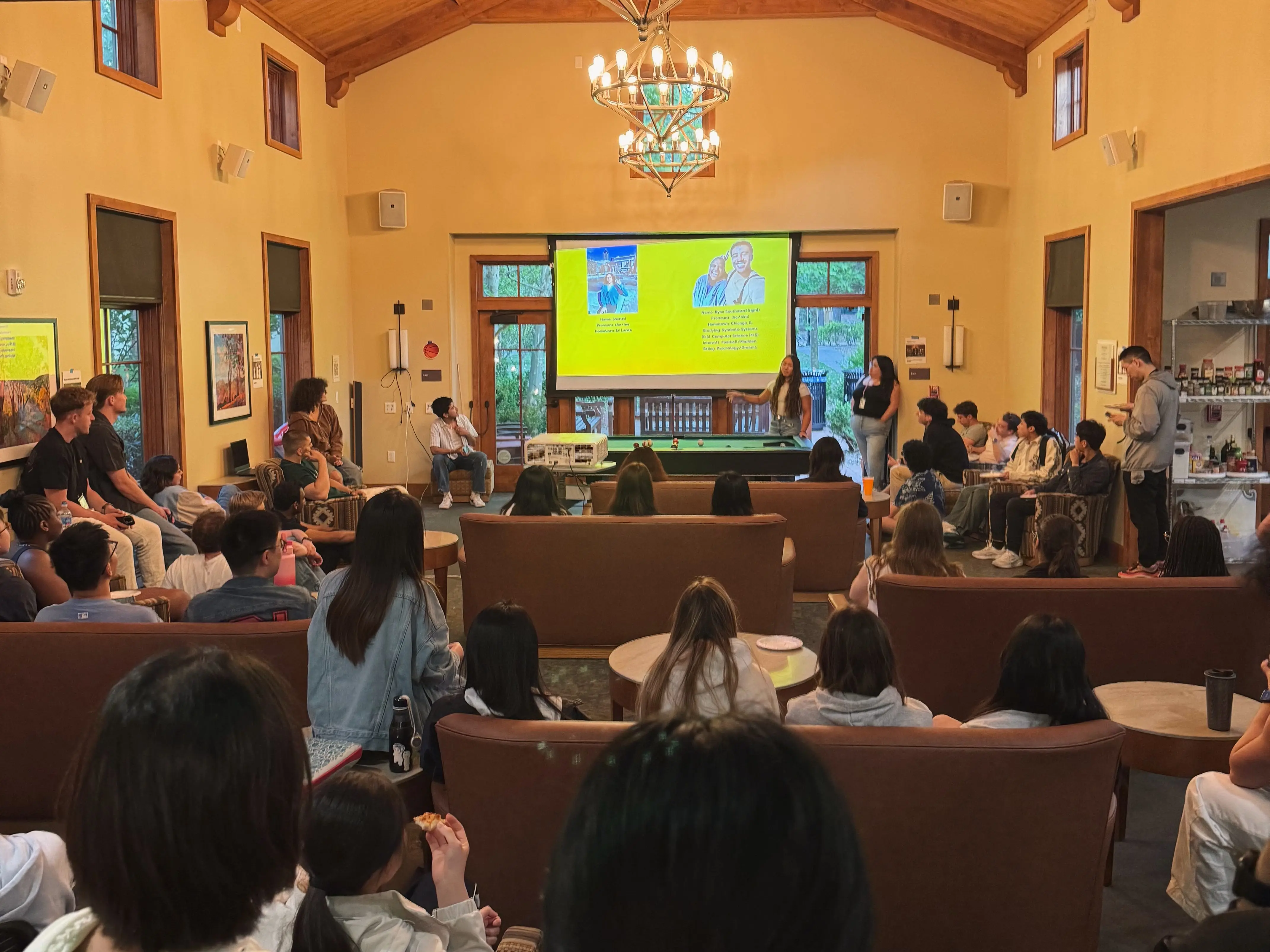
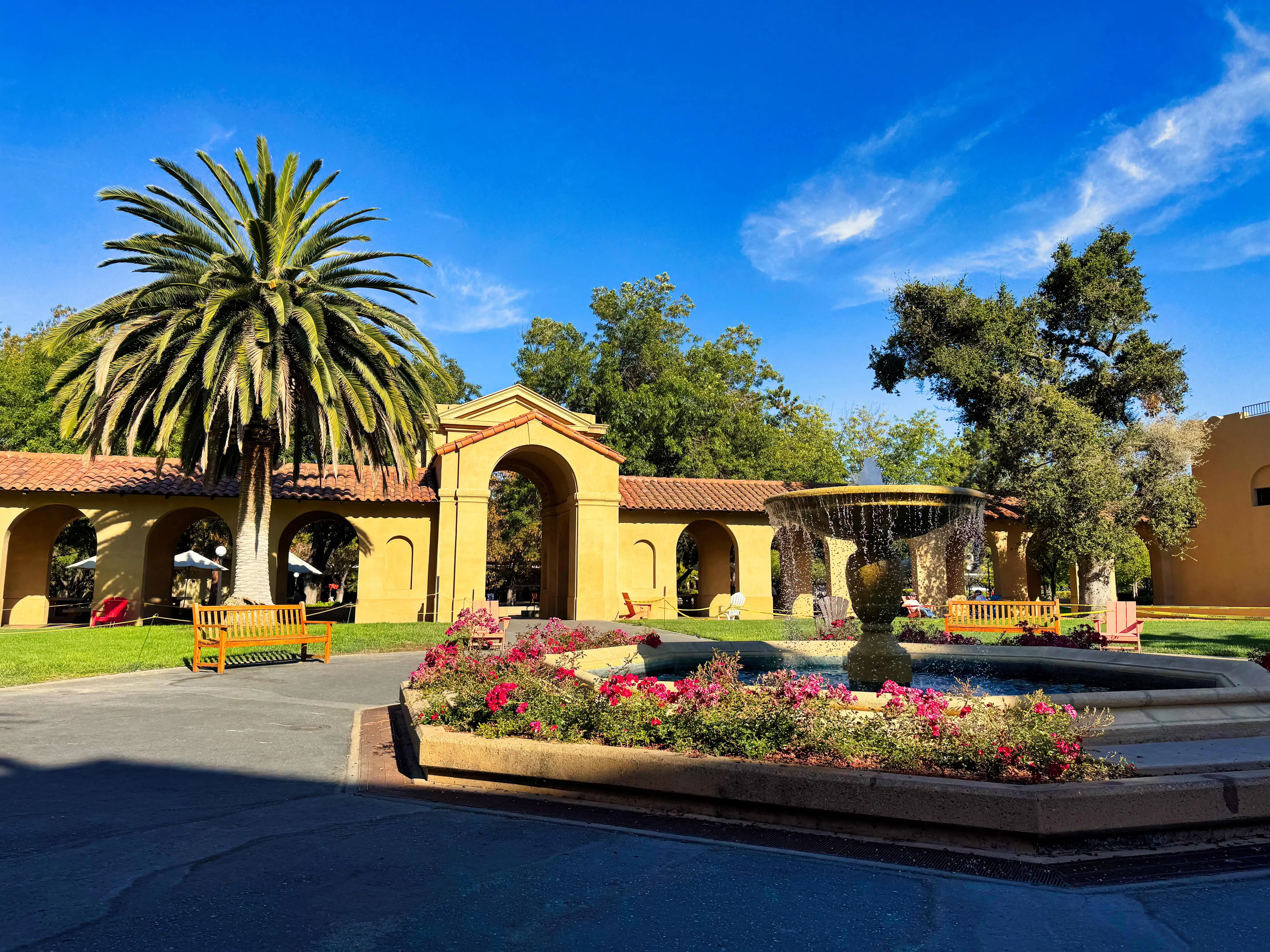
First things first: don’t be a commuter. The dorm experience was a lot of fun, I did not only met new friends, but really deepened friendships talking until mornings with students in the leisure room and hallway. We had parties and had great talks at breakfast and lunch. If you are going to Stanford, I can only recommend staying in a Dorm. You’ll probably be in Lagunita, which is very nice.
Exploring every building
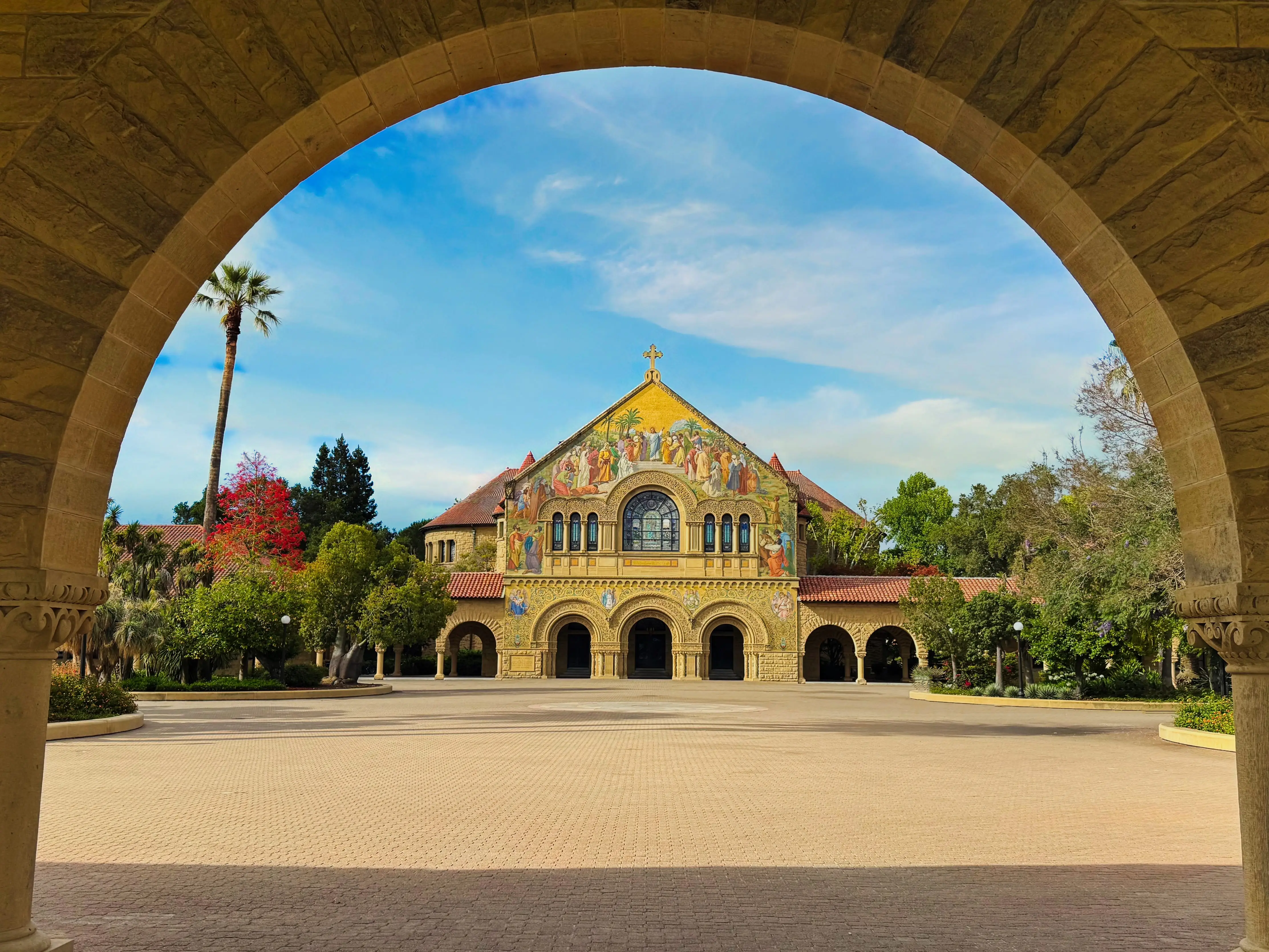
Stanford is a wonderland of labs, museums, and hidden spaces. I discovered one of the first copies of the Star Wars script in the library - before Luke and Leia even existed as characters! We went to a fully booked astronomy lecture where researchers talked about the new observatory opened in Chile and what it means for science.
Meet students & researches
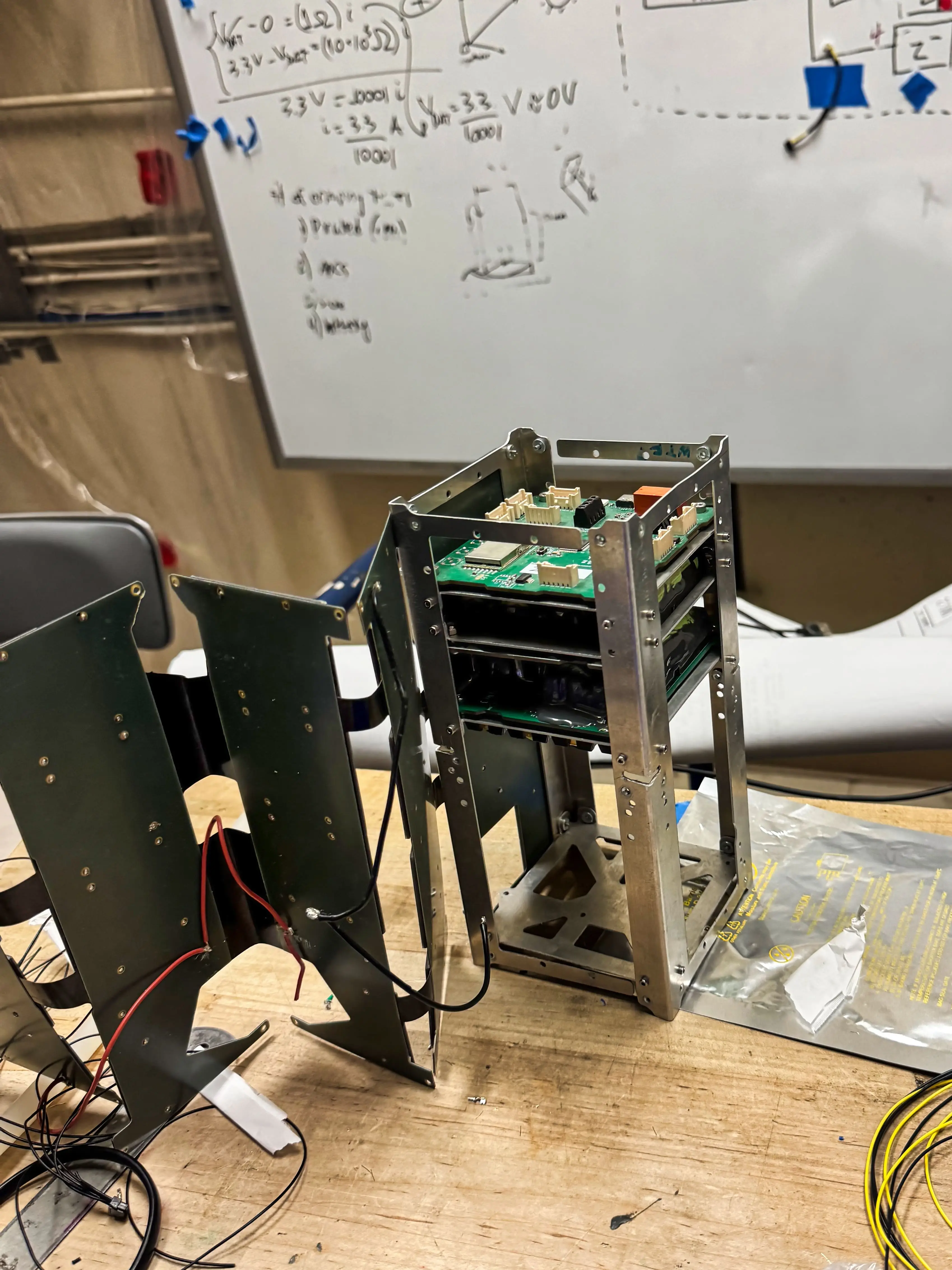
At lunch we met a researcher, who showed us one of the robotics lab where they use LLMs to control robot arms. On another ocasion we met a student and she was part of the satellite team. When we met up, I thought it was like a 10min chat, but she invited us to put gloves on and we spent 2.5 hours placing components on circuit boards for a satellite that SpaceX would launch in October.
If you build, you’ll attract other builders
In our first week, we were annoyed that we didn’t know with whom we should connect, so we decided to build our own version of LinkedIn called TreeMatch (treemat.ch) (named after the Stanford Tree). The idea was to build a web app to make it easier to meet people in our classes and get to know what interests our fellow students had.
Stanford events
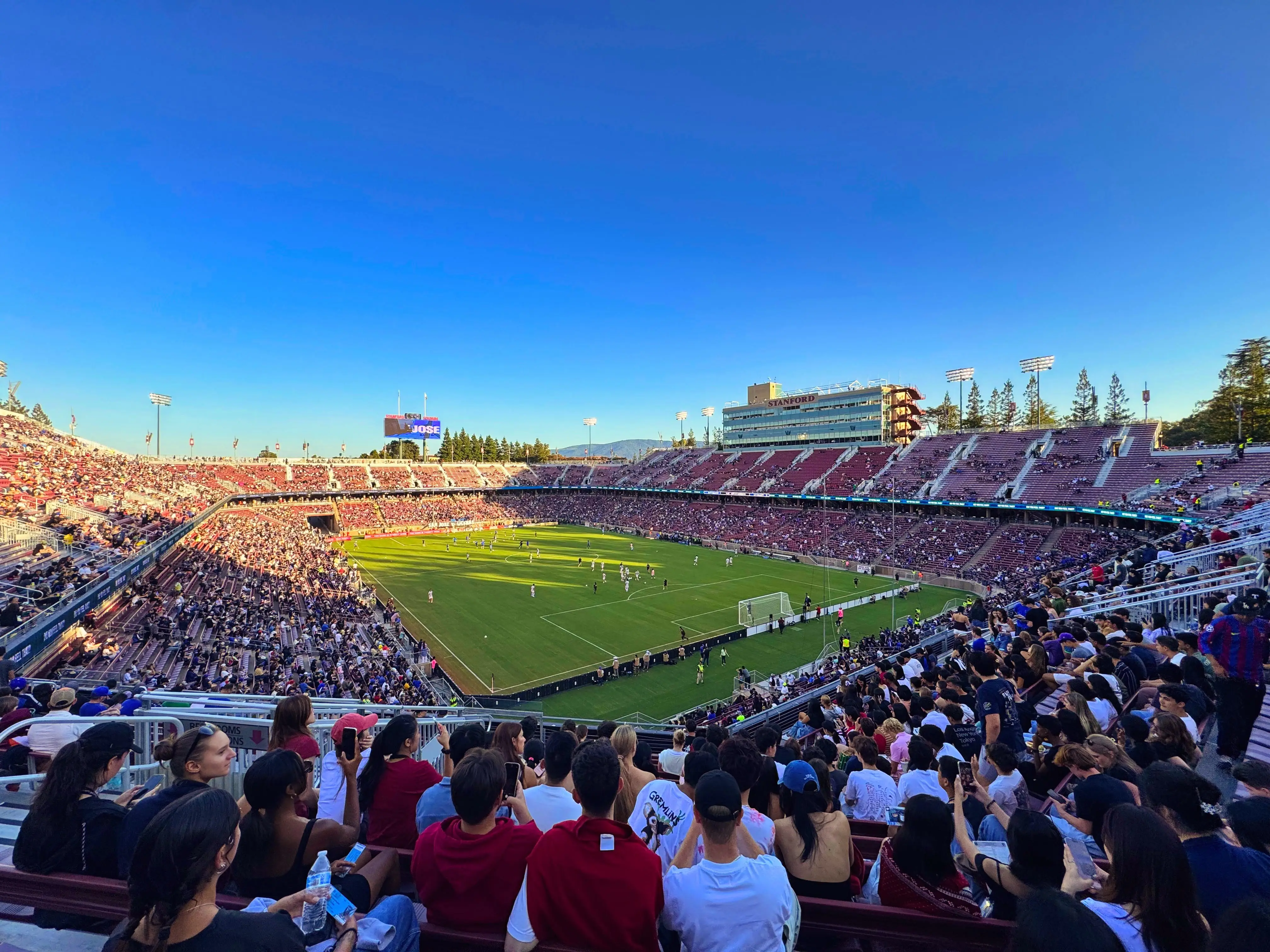
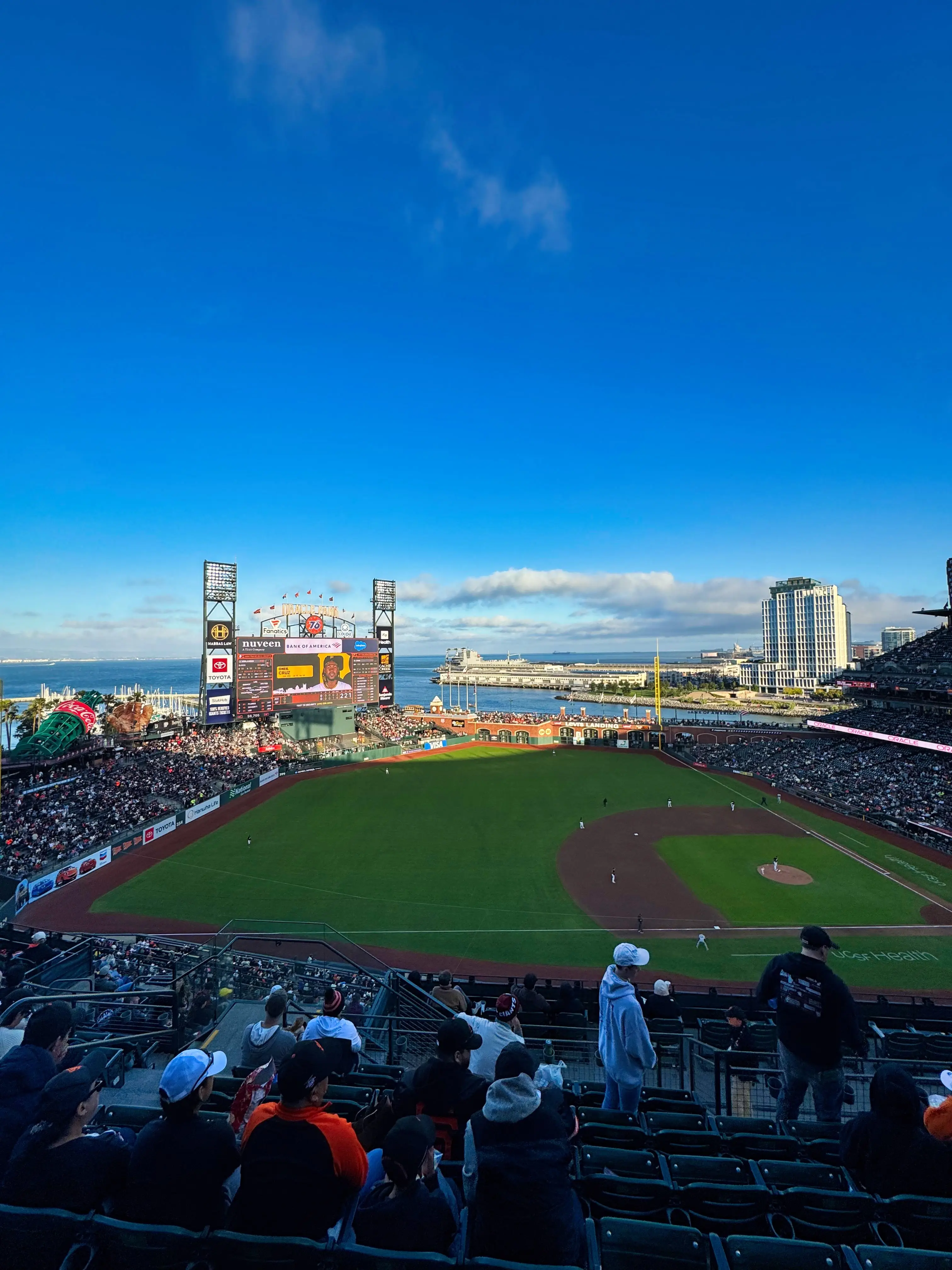
I went to almost every event that was offered: soccer at Stanford Stadium where LA Galaxy played San Jose Earthquakes (fun with everybody in the summer session, but compared to German fans, the atmosphere was mid), a baseball game at Oracle Park (nice for the experience, but incredibly boring sport), and tons of other activities the Summer Session team organized weekly.
Campus adventures
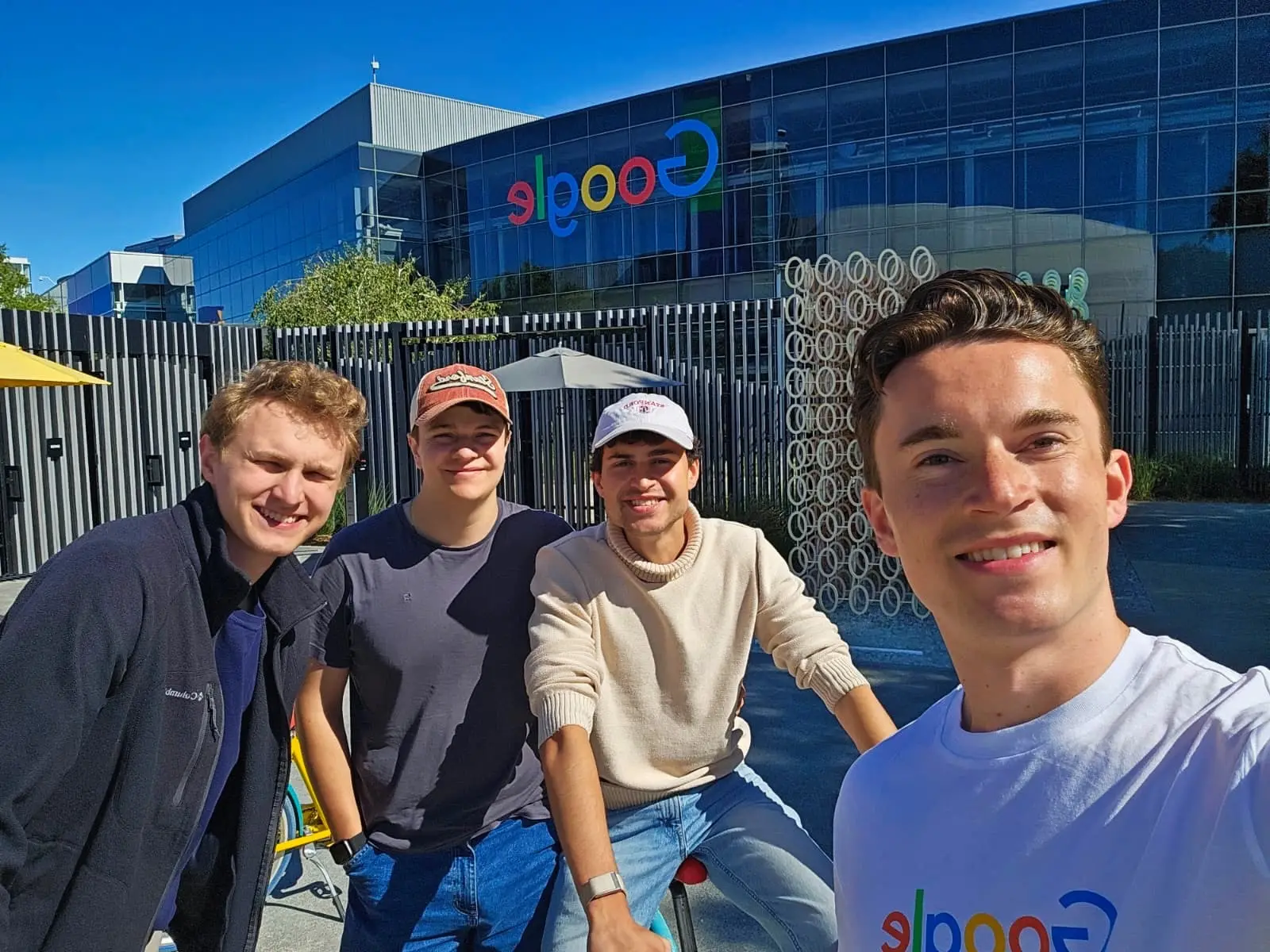
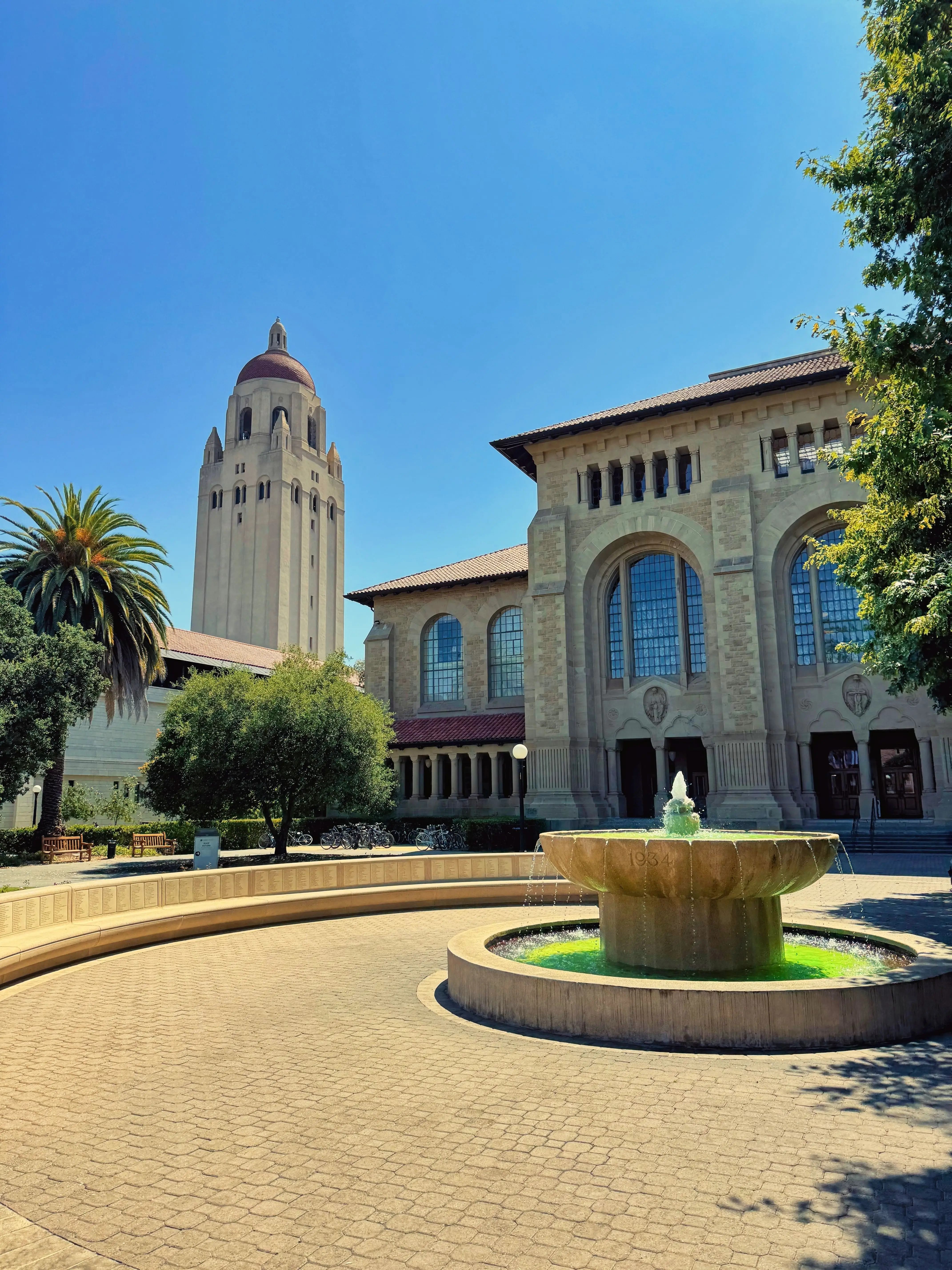
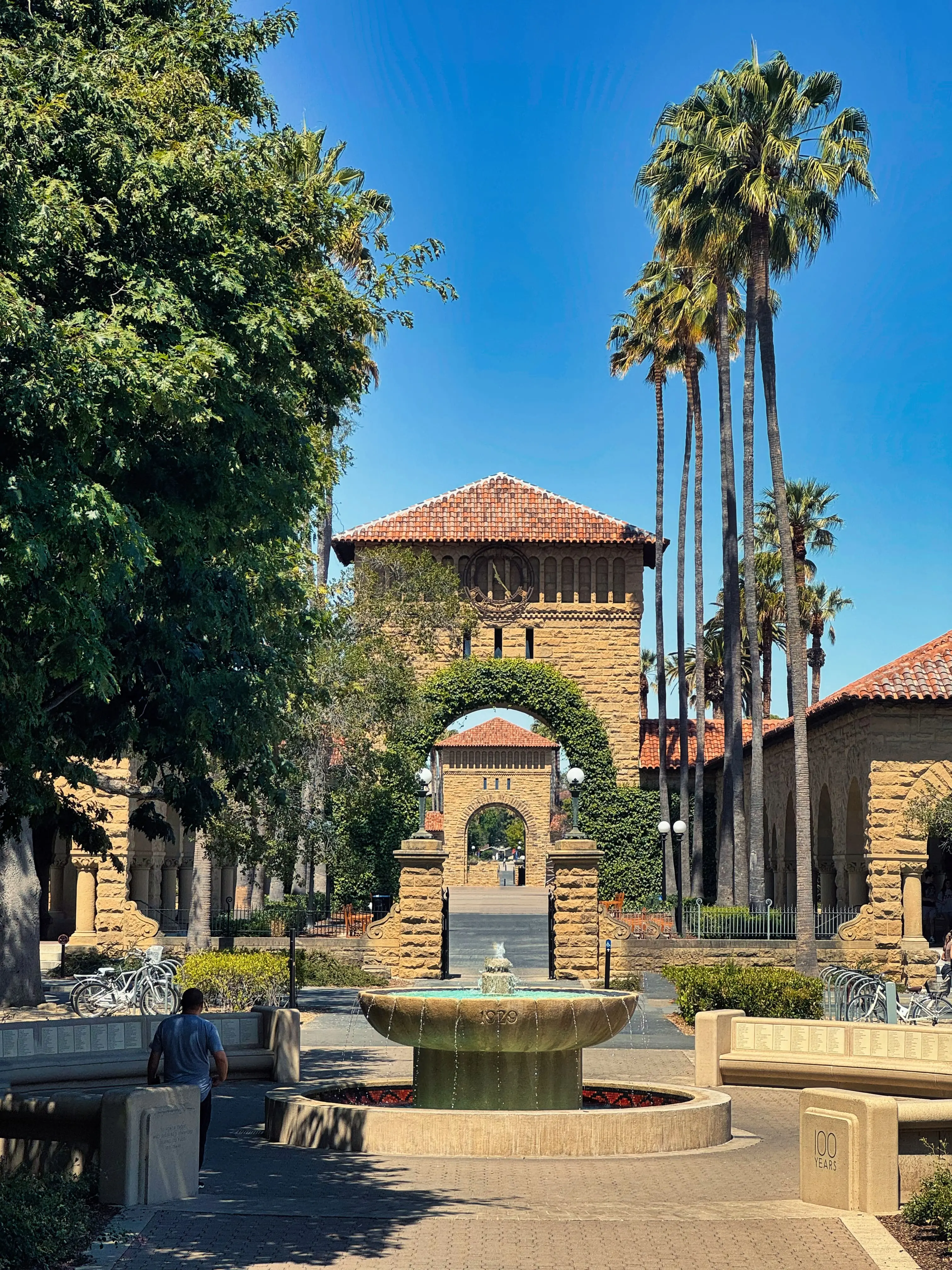
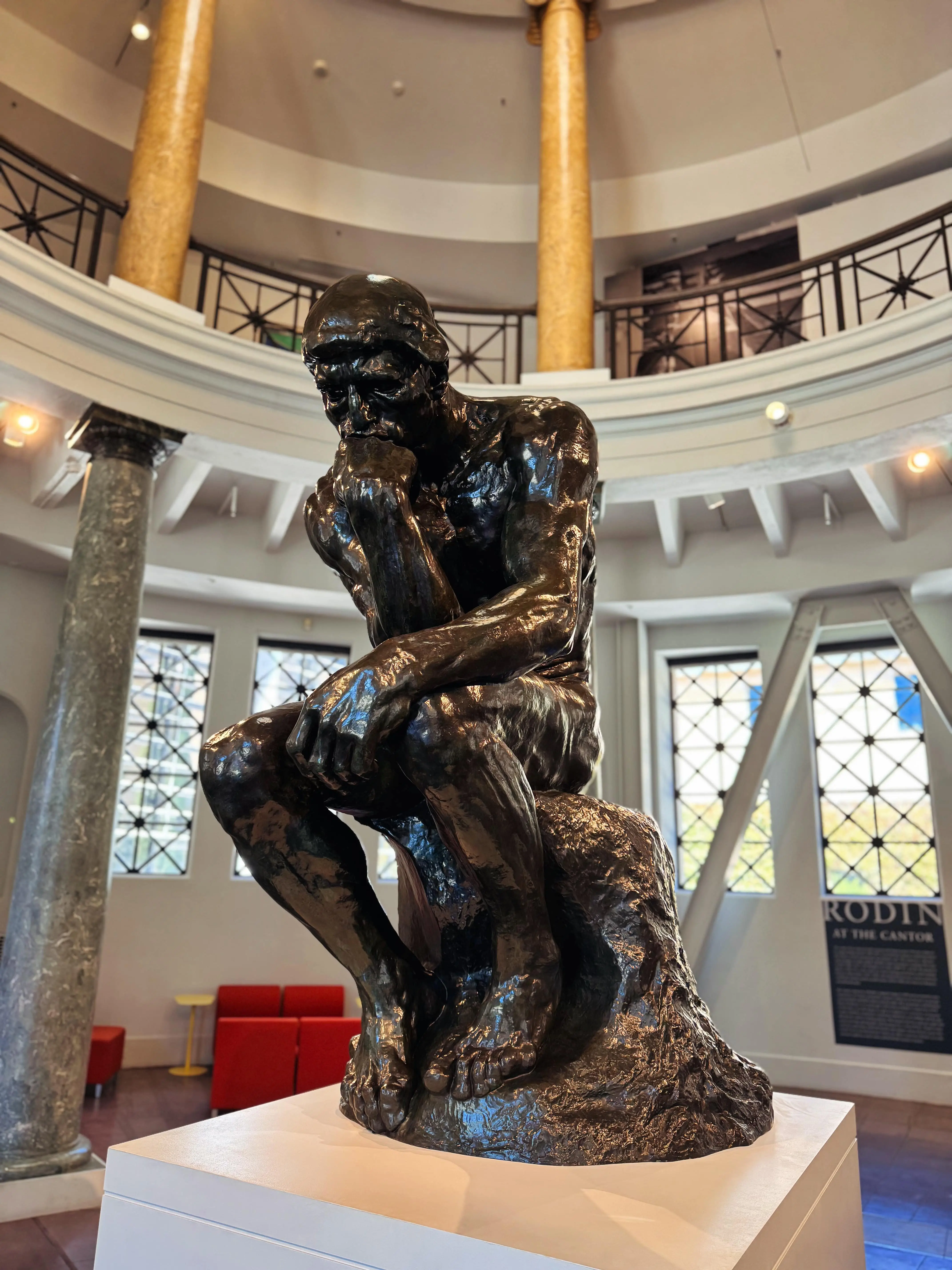
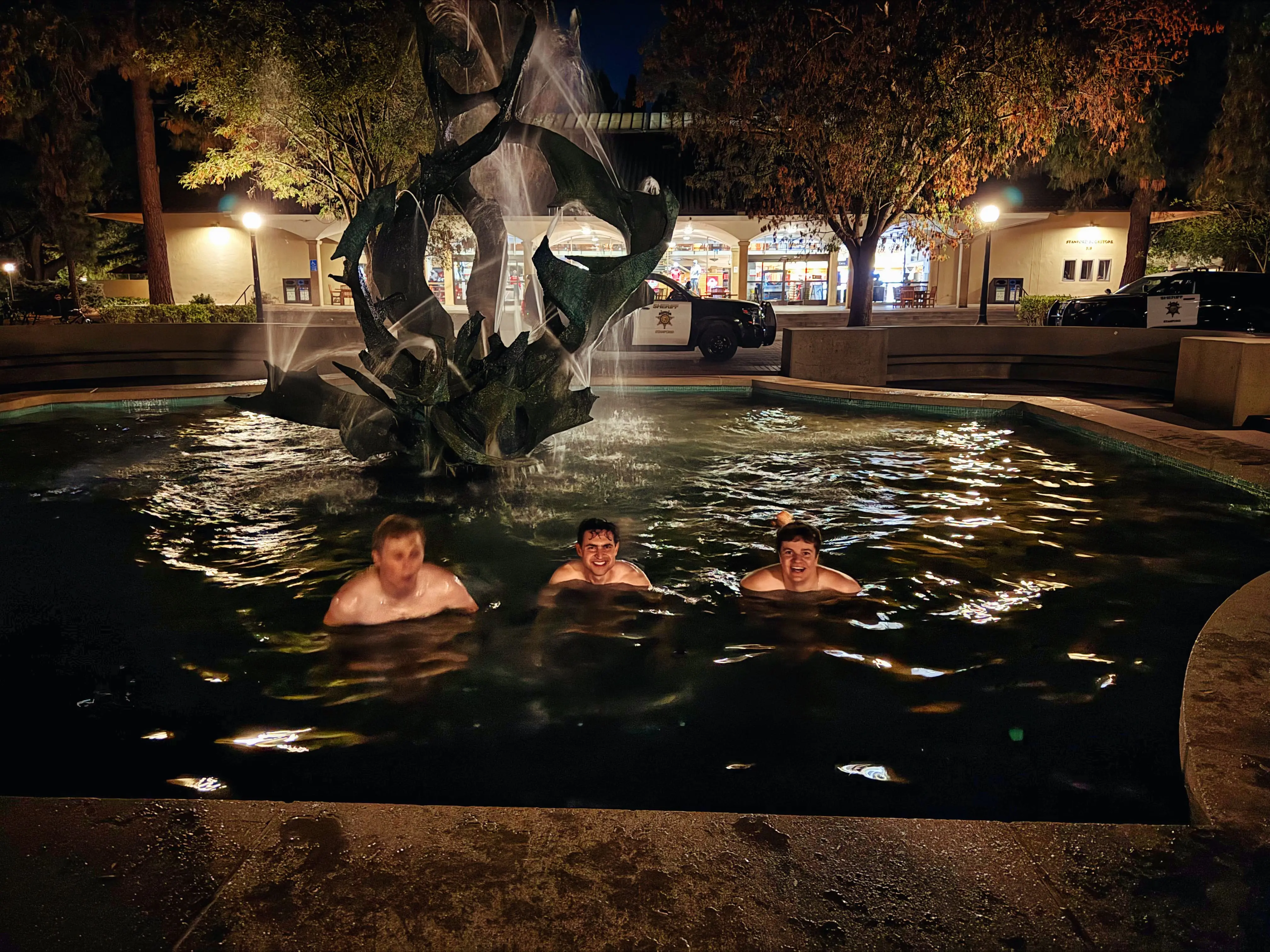
Fountain hopping at midnight was a lot of fun and definitely a must do, going up Hoover Tower to see Stanford from the top, visiting company headquarters around the area (Intel with its museum, Apple, Google), exploring the Stanford Art Museum, trying every cactus garden, Papua New Guinea sculpture garden and Rodin sculpture garden the campus offers.
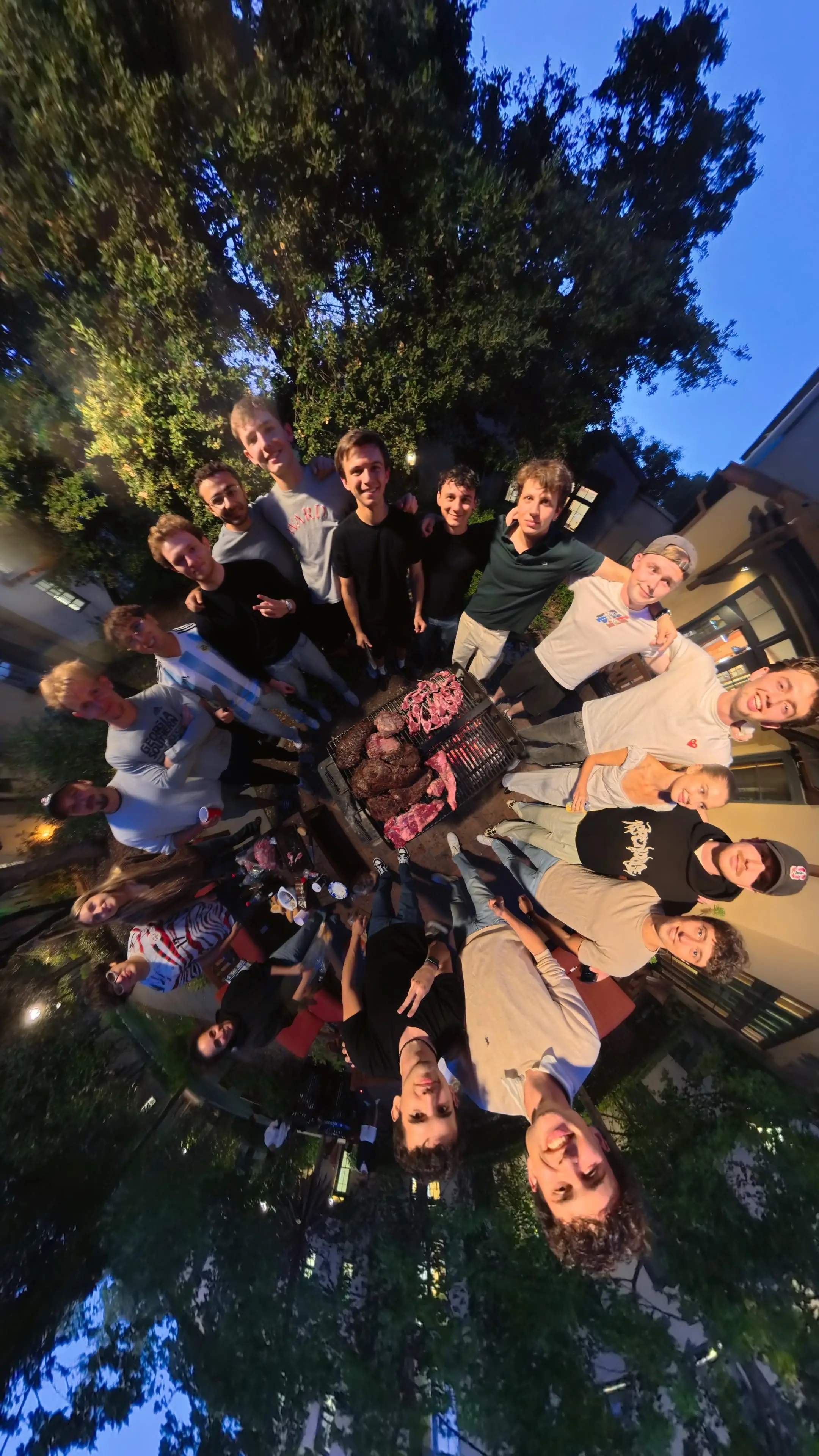
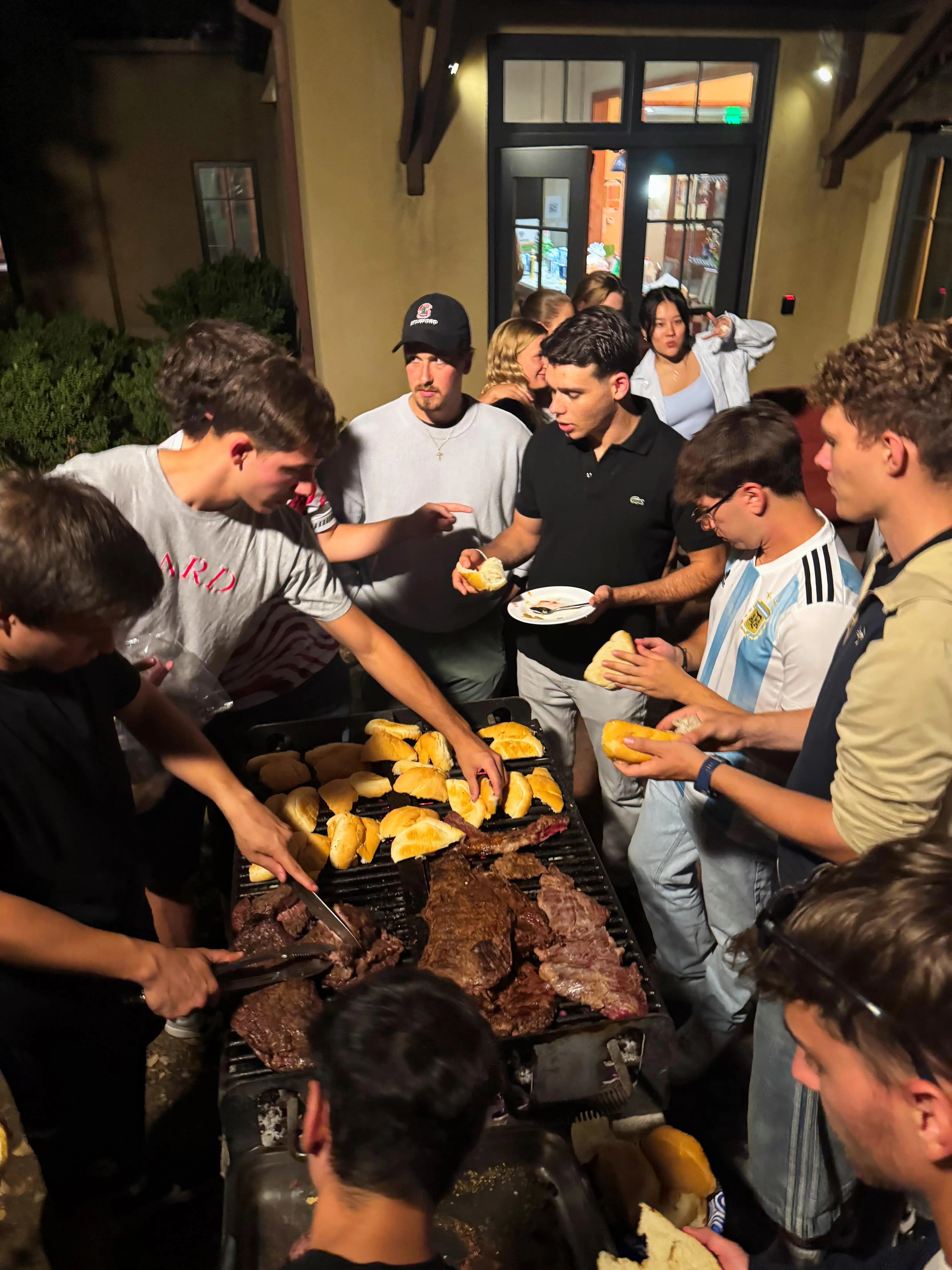
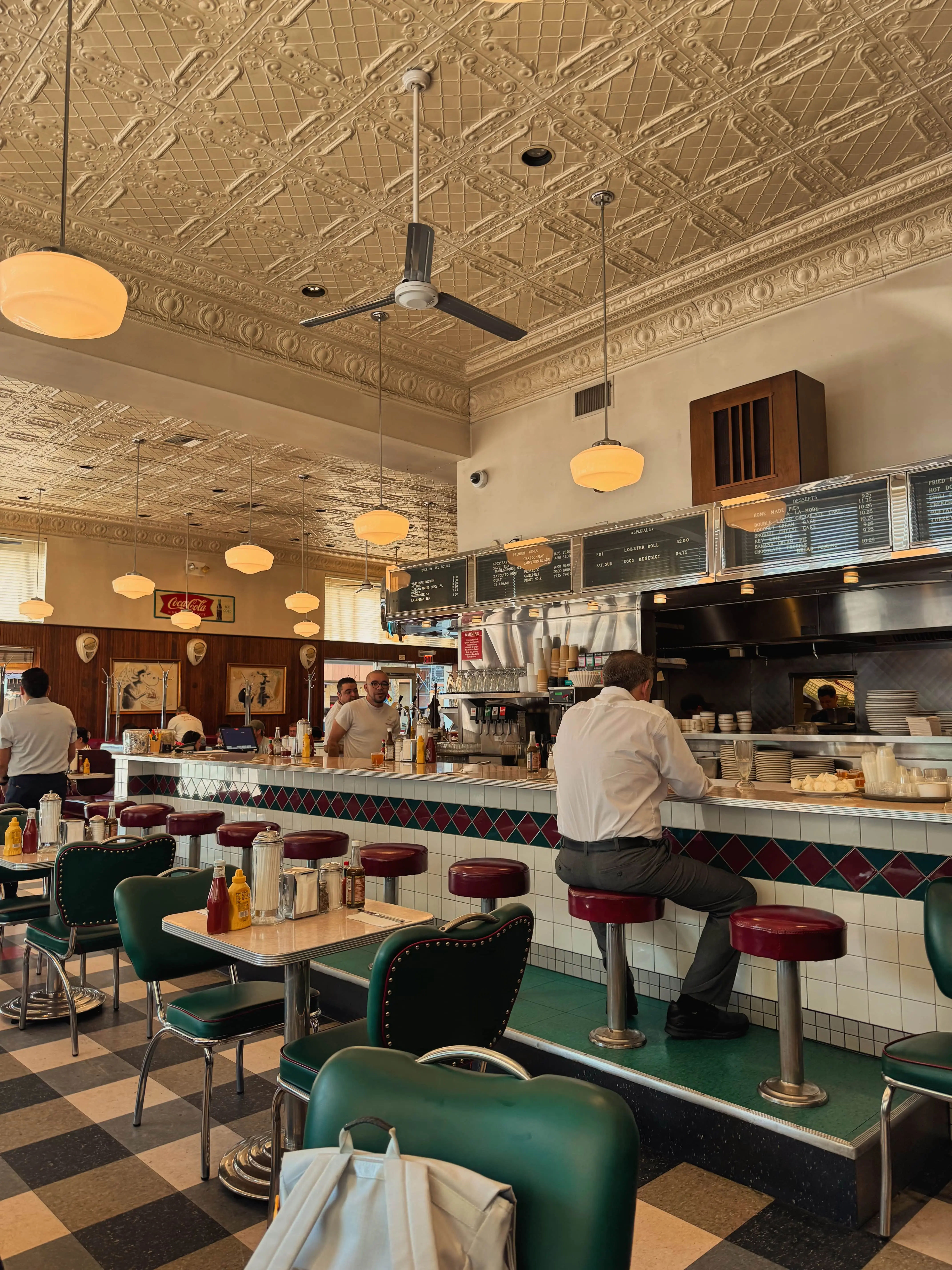
Food experiences You have to try all the different fast food options the US has to offer. My highlights are definitely Panda Express, Chipotle and Shake Shack. But the real magic happened when we organized events with summer session students. Argentinians made amazing asados (barbecues), Spanish friends cooked tortilla, Italians made bruschetta and tiramisu, Germans contributed Spätzle, and Turkish friends brought baklava. These brought people together and created some of my best memories.
Biking
Buy a bike the first day from Walmart or supost.com (Stanford’s internal Craigslist). It will improve your Stanford experience so much more, as you don’t go to the closest dining hall or library, but the most beautiful ones. Stanford’s campus is 33.5 km² - basically 90 Disney Land Orlandos - so walking everywhere will kill your experience and your feet. You will simply stay mostly around the dorms.
Do sports with friends
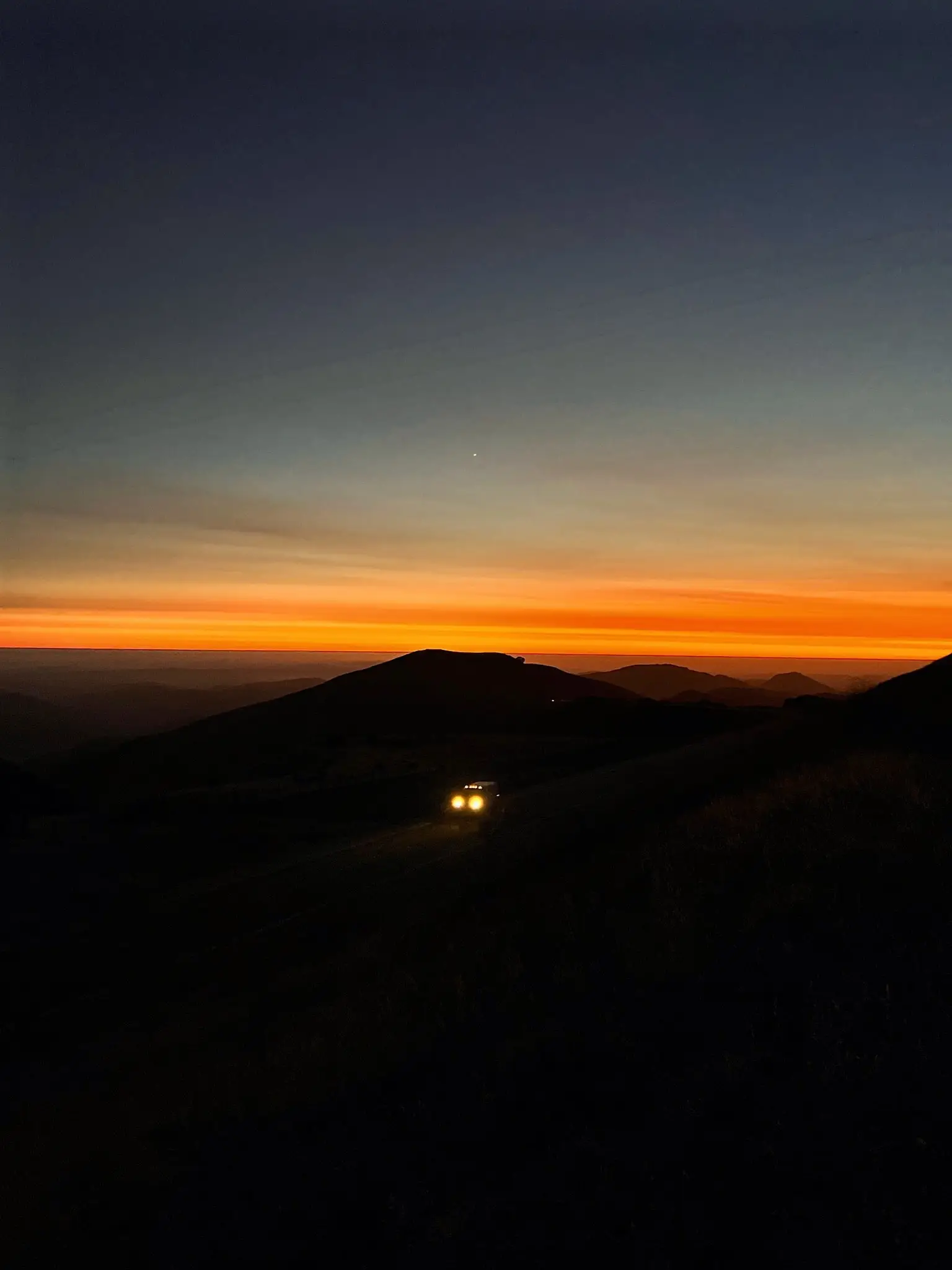
We bought tennis rackets in the first week and played tennis with a group of friends for three weeks straight. There were many players who knew tennis and could coach us beginners. We tried golfing at the driving range, hiked the Dish at night to see the sunset over the Bay, went running without maps to get to know the campus and build intuition about navigation. The gym and pool directly next to our dorm became daily destinations. Lots of nice memories, thinking back.
Academic Deep Dive
I chose Technology & Entrepreneurship (ENGR145) and Machine Learning (CS229). Both 4 unit courses that would push me to my limits.
Technology & Entrepreneurship was nice. We worked in teams of 5-6 to develop startup ideas and pitch them to actual VCs by the end. But the real gold were the guest speakers like LinkedIn co-founder Konstantin Guericke walking us through their early case study, legendary VC Brad Feld (founder of Techstars) explaining venture capital dynamics, the founder of 500 Startups and a few more.
The assignments were a good mix between working on the app/project together with our team of 5 people and going deep down into reflection. One essay for example asked us to map out our next years post Stanford as a Personal Business Plan . Sounds simple, but when you’re surrounded by people building world-changing companies, a excel world champion, people building largest GTA Communities in Italy, people raising milions for their startup, you start questioning if your plans are ambitious enough :)
Machine Learning was my academic Mount Everest. CS229 is one of Stanford’s most famous courses with millions of views online, usually taken by graduate students. I was definitely in over my head, but that was the point. Every lecture felt like drinking from a fire hose. The late nights in the library were brutal, but this is by far the most I’ve ever learned around a topic in such a short amount of time.
In retrospect I would’ve probably chosen Public Speaking, as it would’ve challenged me even more and just visited the guest lectures in Tech Entrepreneurship. There was also the possibility to take ML as 3 unit course, so I would recommend to do something fun for one unit, like tennis training, football, basketball or the wine sommelier class
Do Trips 🏞️🌄
Yosemite National Park:
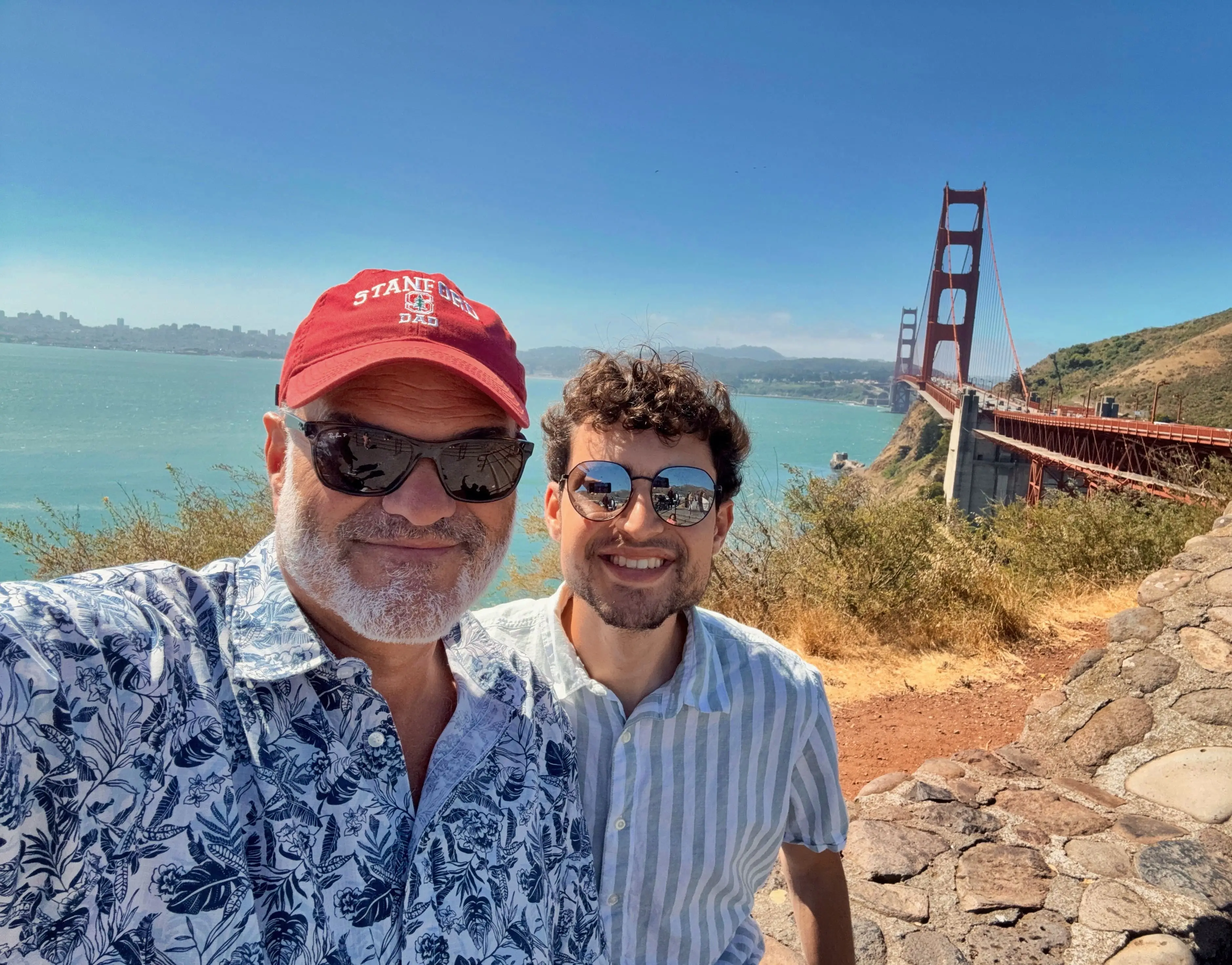
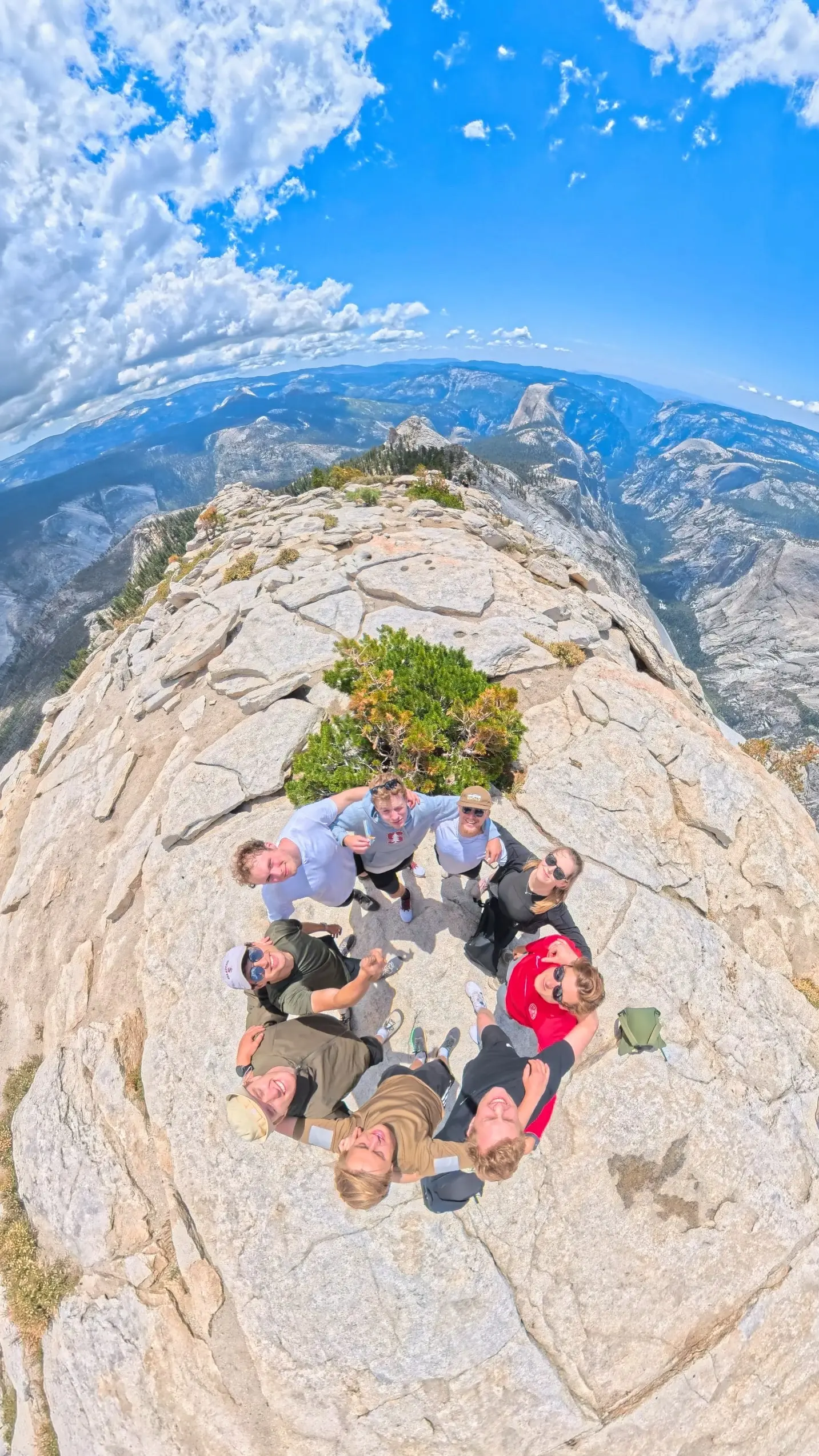
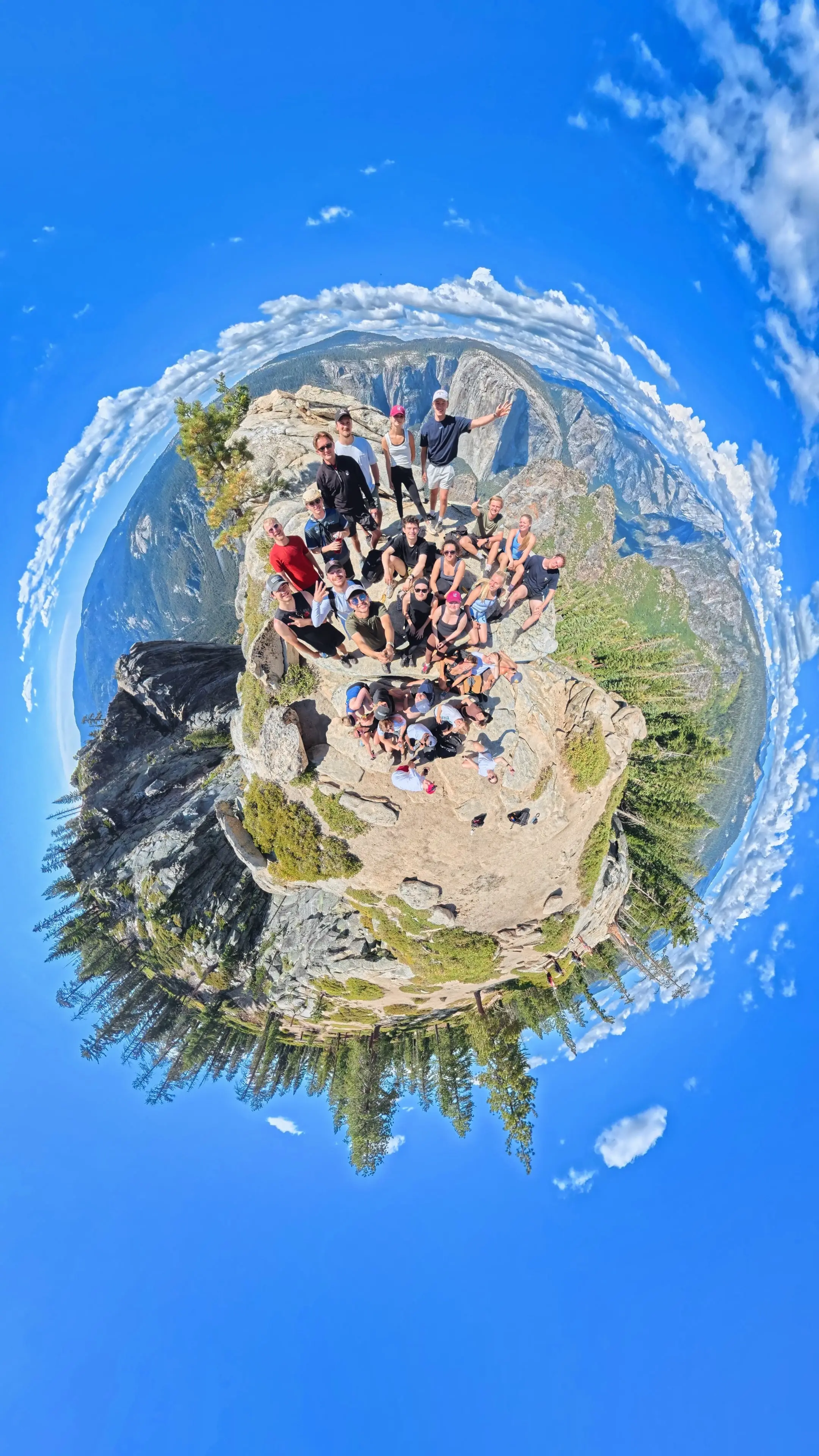
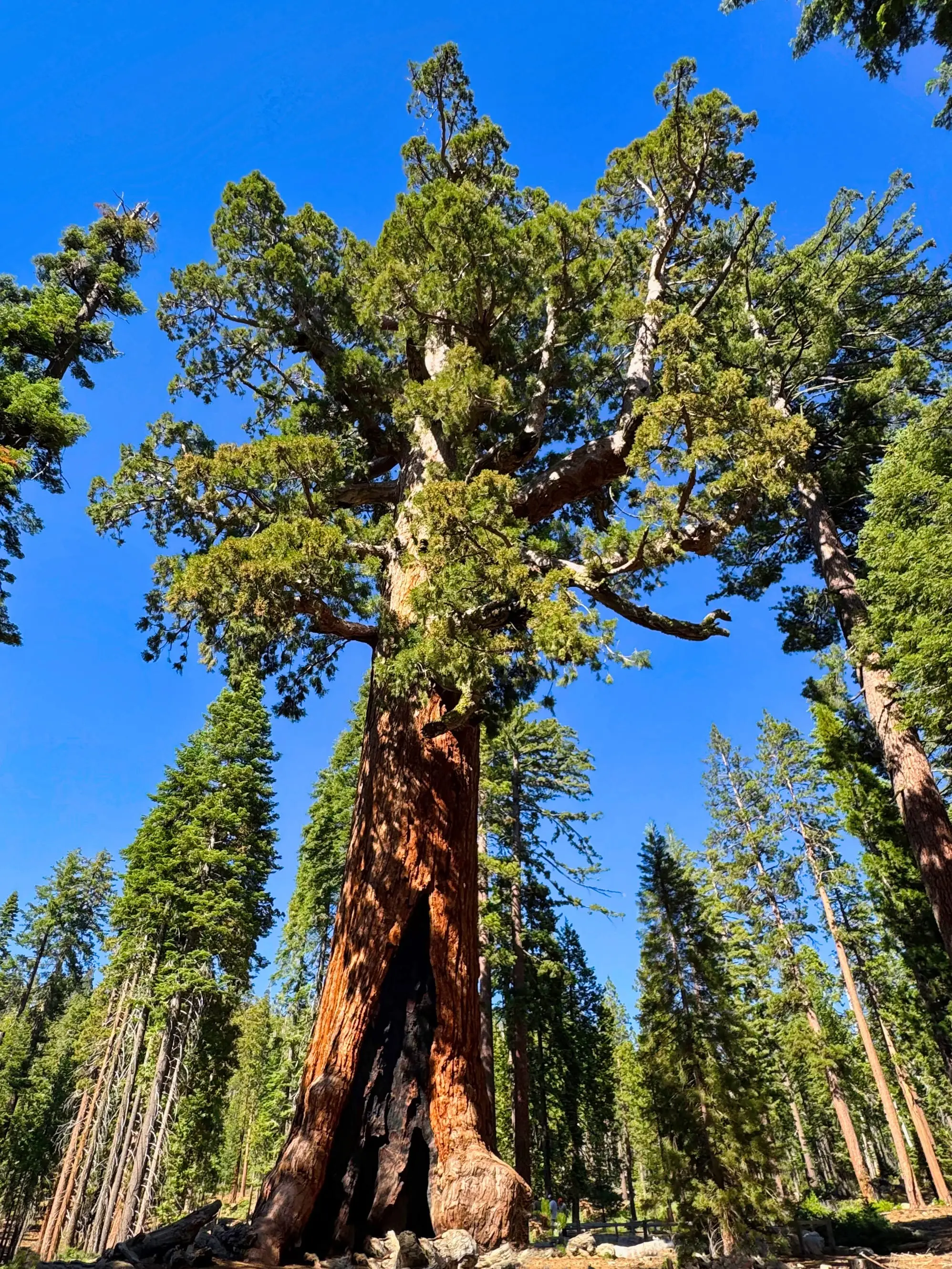
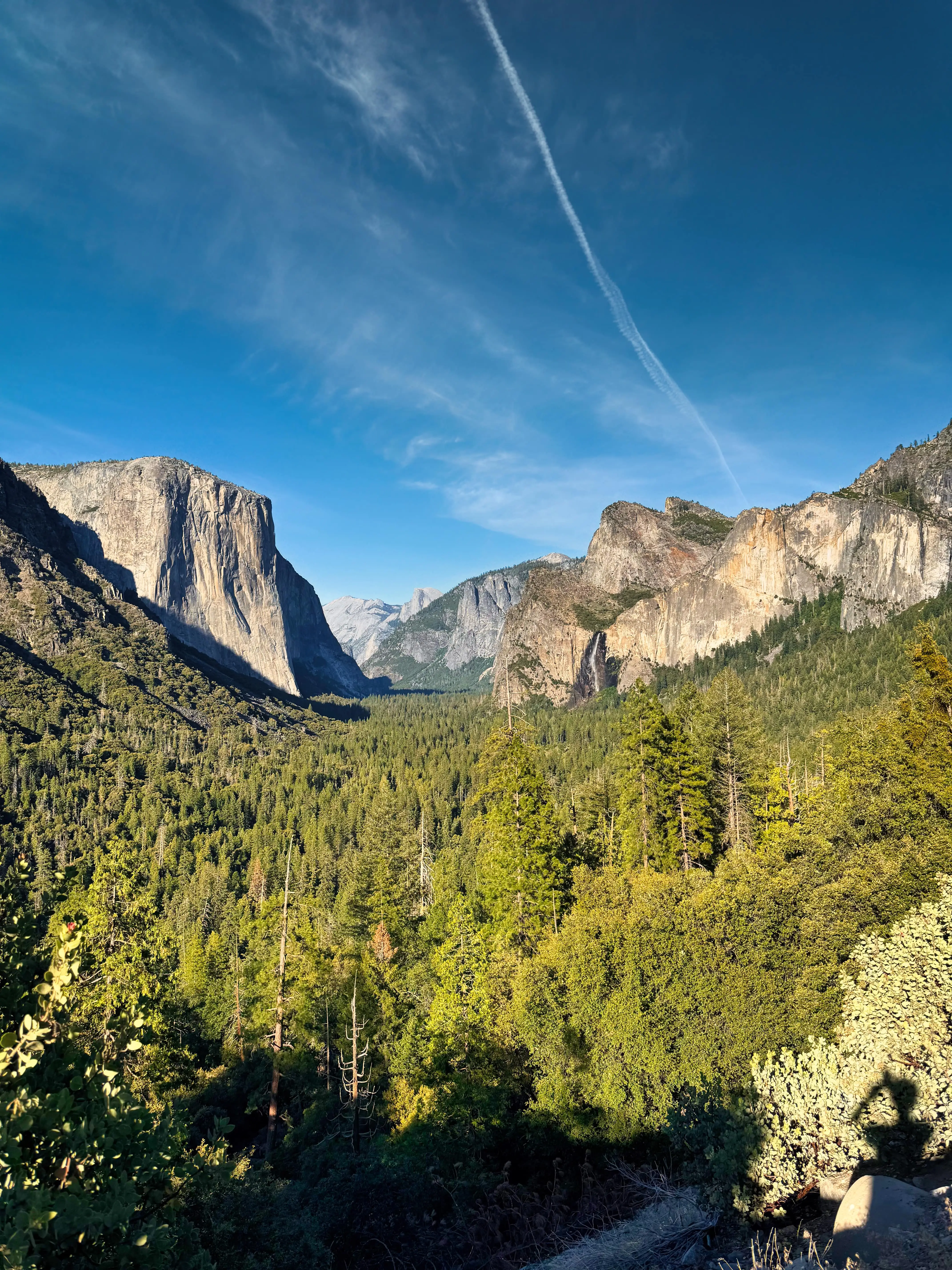
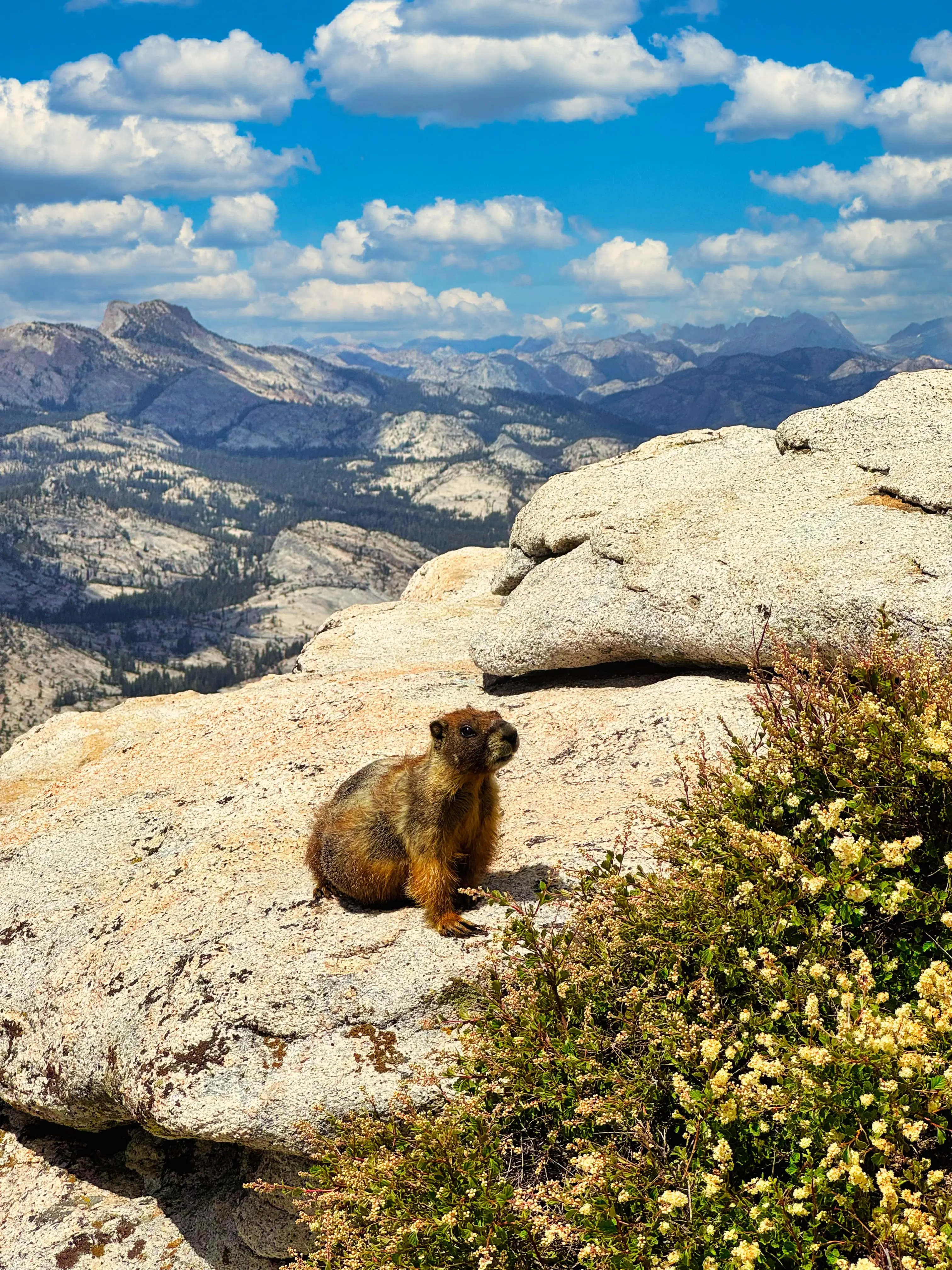
I went twice - once with my father, then with a large group of Stanford friends. Don’t underestimate drive times. We spent 6 hours getting to our accommodation and another 1-2.5 hours to different hikes. Mariposa Grove with 60m+ tall trees is incredible, as is Yosemite Valley, but go early morning to beat tourist crowds. My highlight was definitely the 23km hike to Clouds Rest at over 3,000m with a breathtaking view over the entire park.
Highway 1:
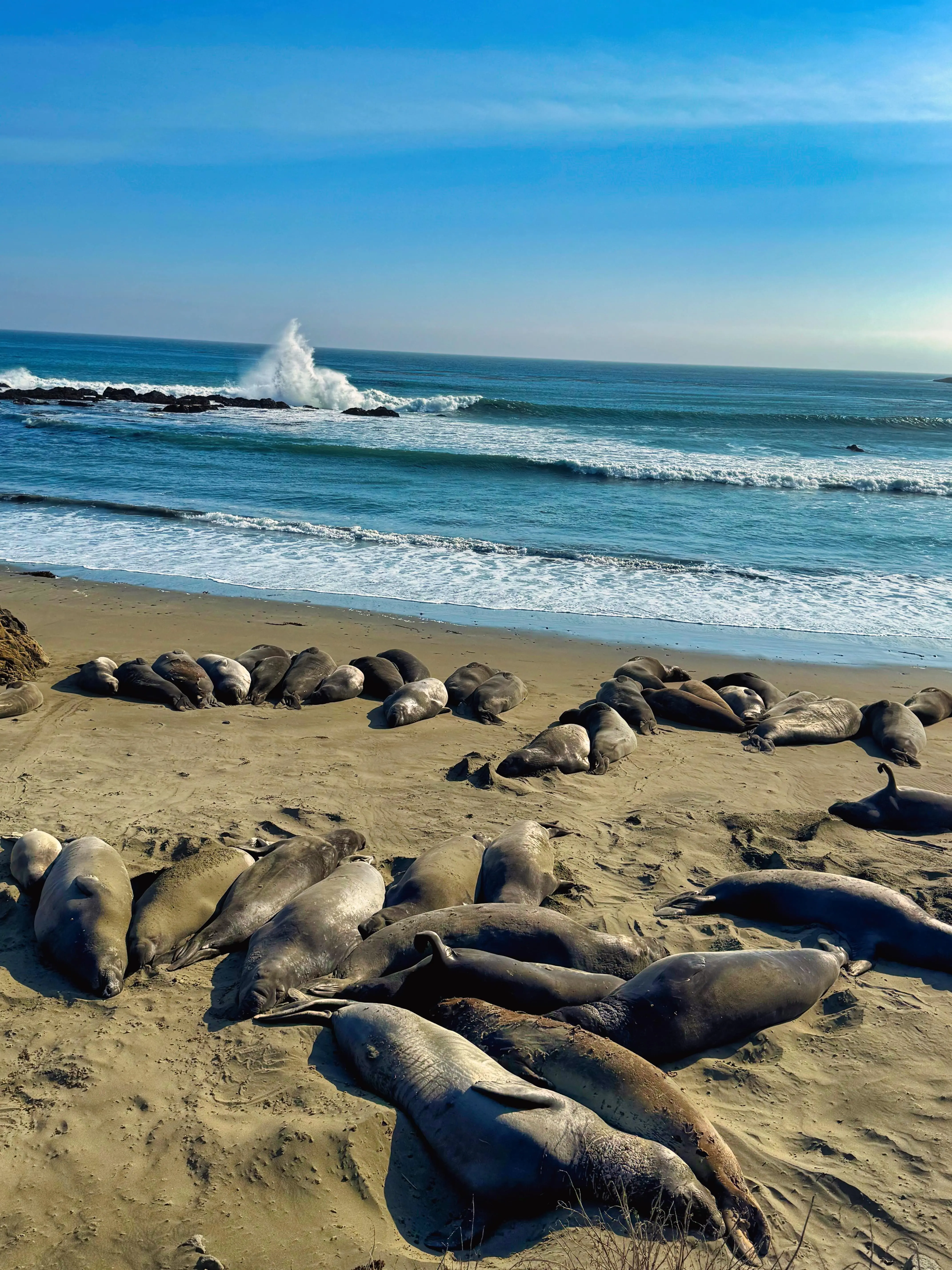
The classic roadtrip route along the Pacific through Big Sur. Unfortunately it was closed when we were there, but we experienced it during a spontaneous SpaceX launch trip to Vandenberg Space Station. Beautiful beaches, incredible sunsets, and sea lions lounging on the shore.
Bay Area day trips:
Monterey, Carmel by the Sea, Sausalito, Santa Cruz, Berkeley are worth exploring as each city as its own character and sights to see.
San Francisco:
Without wind and with blue skies and sun, it’s beautiful (as long as you stay away from areas affected by the fentanyl epidemic). Plenty of sightseeing for several days. It’s quite far away with a 1,5-2h commute from Palo alto so you’ll probably won’t visit SF that often. It’s also called the windy city, so take a jacket and don’t be sad if the sky is gray the whole day.
Resume
Stanford wasn’t just a childhood dream for me, but also a very enriching experience with new friends, adventures, and connections. I can definitely warmly recommend it.
The Valley doesn’t operate with different water, but it definitely cooks at a much higher temperature. Student satellite teams getting millions in funding, casual conversations about raising “only” $1 million pre-seed rounds, researchers treating world-changing breakthroughs are people you meet quite often.
This isn’t about making other places feel inadequate. We have incredible research and universities in Germany too. But Stanford exists in an ecosystem where ambition isn’t just encouraged, but expected, funded, and celebrated.
I got academically humbled in Machine Learning every single lecture and learned more in 8 weeks than in entire semesters before. The Stanford experience is defined by connections, like finding friends from over 25 cities all over the world, which I could call now to crash on the sofa or brainstorm cool ideas.
Thanks to all the great friends, that made this journey unforgettable and for CODE & my parents for the support along the way.
If you have any questions about it or are going to Stanford in the future, feel free to reach out to me on LinkedIn :)
Cheers!
Album